Dandelion Leaf Pesto Pasta
Highlighted under: Hearty Food | Big Meals
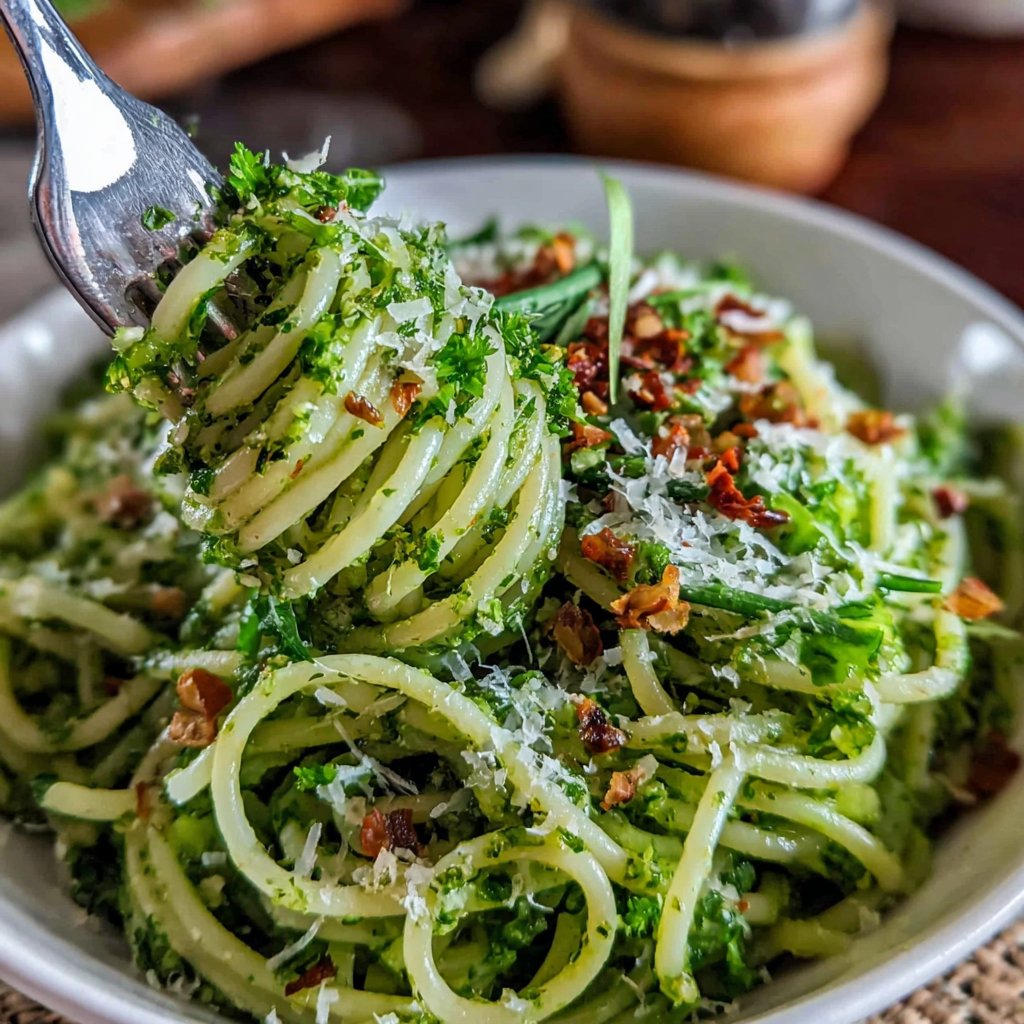
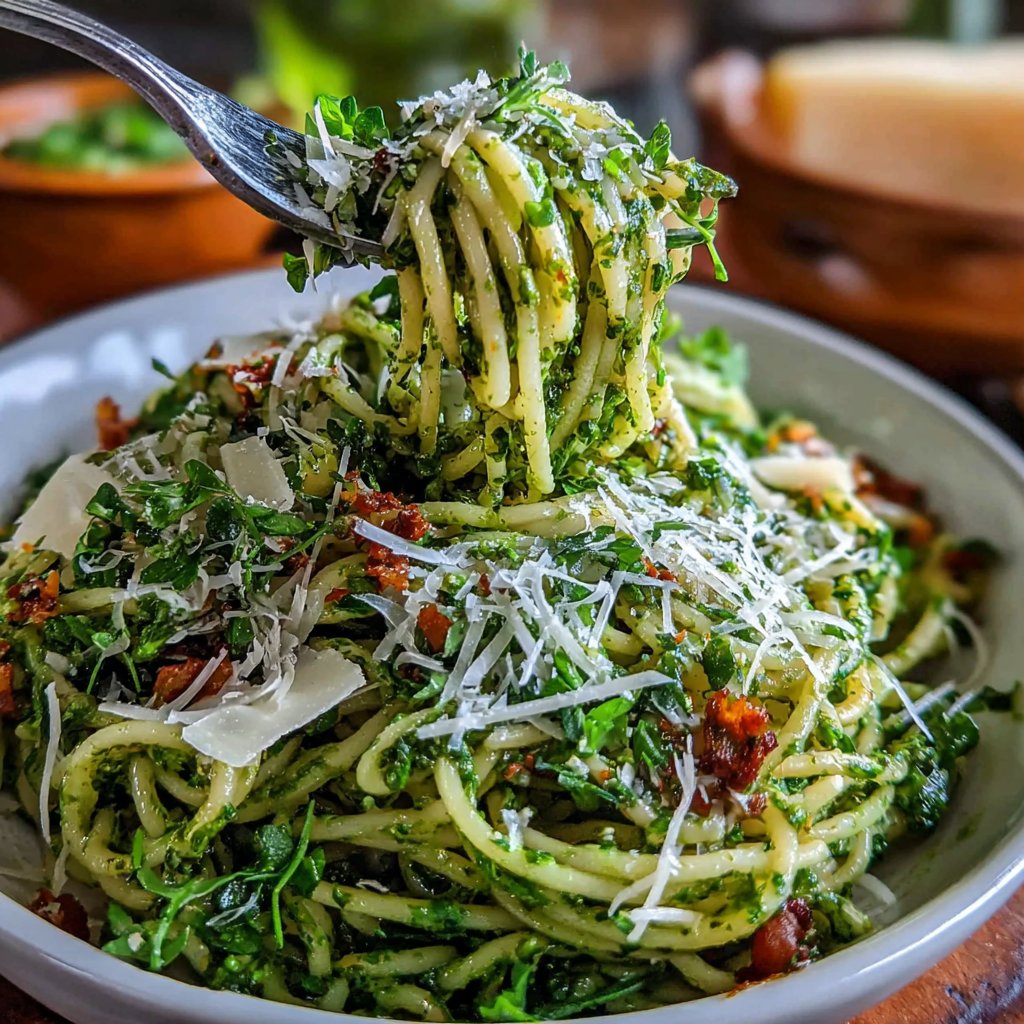
I’m always looking for ways to creatively use what’s in my garden, and that’s how I stumbled upon this Dandelion Leaf Pesto Pasta. The slightly bitter and earthy flavor of dandelion greens pairs perfectly with the nuttiness of pine nuts and the richness of Parmesan cheese. By blending the leaves into a vibrant pesto, I’ve crafted a dish that’s not only delicious but also incredibly unique. This recipe has become a staple in my kitchen whenever I have an abundance of dandelion greens and I can’t wait for you to try it!
When I first decided to make a pesto using dandelion leaves, I wasn’t sure what to expect. I knew these greens were nutritious and packed with flavor, but blending them into a sauce felt like a risk. To my delight, the resulting pesto was both bold and refreshing, showcasing the unique essence of dandelions. I noticed that combining the leaves with lemon juice brightened the flavor and balanced the bitterness perfectly.
This dish has turned into a favorite for its quick preparation and ability to impress anyone I serve it to. Pairing the pesto with al dente pasta, some toasted pine nuts, and a sprinkle of Parmesan elevates the entire meal, making it a delightful way to celebrate seasonal greens.
Why You'll Love This Recipe
- Unique use of garden-fresh dandelion greens
- Quick and easy to prepare for any night
- Rich, fresh flavor profile that delights the senses
The Beauty of Dandelion Greens
Dandelion greens may be an underappreciated ingredient, but they bring not just nutrition but a unique flavor profile to this pesto. Their slight bitterness adds complexity that balances beautifully with the richness of the olive oil and the savory notes of Parmesan. When selecting your dandelion leaves, look for vibrant green, young leaves, as they are more tender and less bitter than older, tougher ones. This dish is a wonderful way to enjoy their fresh taste and health benefits.
Additionally, dandelion greens are packed with vitamins A, C, and K, making them incredibly nutritious. Using garden-fresh leaves means you’re not just elevating your dish but also embracing seasonal, sustainable eating. If you have excess greens, consider using them in salads or sautéing them as a side; their versatility is one of their greatest assets. In this recipe, their distinct taste shines through, offering a delightful contrast to the other ingredients.
Mastering the Pesto Technique
When making the pesto, the order in which you add ingredients is essential for achieving the right texture. Begin with the dandelion leaves, garlic, and pine nuts, processing them together until finely chopped, to create a robust base. As you introduce the olive oil, maintain a steady stream to help emulsify the mixture. This technique ensures your pesto becomes smooth and creamy rather than grainy. If you find your pesto is too thick, the reserved pasta water is a perfect addition for adjusting the consistency.
Another tip I often share is to toast the pine nuts before incorporating them into the pesto. This step enhances their flavor, adding a warm, nutty depth that complements the dandelion greens. Keep a close eye on them in a dry skillet over medium heat, stirring frequently, until they turn golden and fragrant—this usually takes about 3-5 minutes. It’s a small step that makes a significant difference in the overall flavor of your pesto.
Serving Suggestions and Storage
Once the Dandelion Leaf Pesto Pasta is prepared, serve it immediately for the best texture and flavor. If you want to elevate your dish further, consider adding grilled chicken or shrimp for a protein boost, or toss in some sautéed seasonal vegetables for added color and nutrition. For presentation, a sprinkle of freshly cracked black pepper on top adds both visual appeal and an extra layer of flavor, while the toasted pine nuts provide a pleasing crunch.
This dish can be made ahead of time and stored in the refrigerator for up to three days. To keep the pasta from sticking, drizzle a touch of olive oil and mix well. For reheating, a quick toss in a skillet over low heat works well, with a splash of water to loosen the pasta and restore its glossy finish. Alternatively, you can freeze the pesto separately in ice cube trays and add it to cooked pasta after thawing—the convenience is unbeatable, especially on busy weeknights.
Ingredients
Ingredients for Dandelion Leaf Pesto Pasta
For the Pesto
- 2 cups dandelion leaves, washed and stems removed
- 1/2 cup olive oil
- 1/2 cup grated Parmesan cheese
- 1/4 cup pine nuts, toasted
- 2 cloves garlic, minced
- Juice of 1 lemon
- Salt and pepper to taste
For the Pasta
- 12 oz spaghetti or your choice of pasta
- Extra Parmesan cheese for serving
- Toasted pine nuts for garnish
Make sure to use fresh dandelion leaves for the best flavor. You can adjust the amount of garlic and lemon to suit your taste preferences.
Instructions
Instructions
Cook the Pasta
In a large pot of salted boiling water, cook the pasta according to package instructions until al dente. Reserve 1/2 cup of pasta water, then drain the pasta.
Prepare the Pesto
In a food processor, combine dandelion leaves, pine nuts, and garlic. Pulse until finely chopped. With the processor running, slowly drizzle in olive oil until the mixture is smooth. Add Parmesan cheese and lemon juice, blending until combined. Season with salt and pepper to taste.
Combine Pasta and Pesto
In a large bowl, toss the cooked pasta with the pesto, adding reserved pasta water as needed to achieve the desired consistency. Mix until the pasta is well coated.
Serve
Serve immediately, garnished with extra Parmesan cheese and toasted pine nuts.
This dish is best enjoyed fresh but can be stored in the refrigerator for a couple of days. Reheat gently, adding a little extra olive oil if necessary.
Pro Tips
- For an extra punch of flavor, try adding some red pepper flakes to the pesto or a handful of fresh basil along with the dandelion leaves.
Ingredient Substitutions
If you're unable to find dandelion greens, similar bitter greens like arugula or kale can serve as excellent substitutes, providing that same robust flavor that characterizes this dish. Just keep in mind that the bitterness levels may vary, so adjust the amount to your taste. Using baby arugula will result in a milder flavor, while mature kale will require a bit more seasoning to engage the palate effectively.
For those needing a dairy-free option, you can replace Parmesan with nutritional yeast, which provides a savory, cheesy flavor without the dairy. Additionally, for a nut-free version, sunflower seeds can be used in place of pine nuts. Just remember to toast them lightly to enhance their flavor before blending into the pesto.
Scaling the Recipe
This Dandelion Leaf Pesto Pasta recipe is easily scalable; if you’re hosting guests or meal-prepping for the week, simply double or triple the amount of ingredients. When scaling, keep the ratios of pesto to pasta consistent for a balanced flavor. There's no need to complicate the cooking process—just ensure you have a pot large enough to handle the increased volume of pasta, and an adequately sized food processor for making the pesto.
If you’re storing leftovers, make sure to separate the pasta from the pesto to prevent the pasta from absorbing all the sauce and becoming mushy. When you're ready to eat, simply reheat the pasta and mix in fresh pesto as desired. This approach preserves the dish's original vibrancy and flavor, making each serving just as delightful as the first.
Questions About Recipes
→ Can I use other greens instead of dandelion?
Yes! You can substitute dandelion leaves with other greens like arugula, spinach, or kale, though the flavor will vary.
→ Is this vegan-friendly?
To make this recipe vegan, you can omit the Parmesan cheese or replace it with a vegan alternative.
→ Can I make the pesto in advance?
Absolutely! The pesto can be stored in an airtight container in the fridge for up to a week. Just make sure to cover it with a thin layer of olive oil to prevent browning.
→ What can I serve this pasta with?
This pasta pairs well with grilled vegetables, a simple salad, or roasted chicken for a more complete meal.
Dandelion Leaf Pesto Pasta
Created by: The Chefmatttastes Team
Recipe Type: Hearty Food | Big Meals
Skill Level: Easy
Final Quantity: 4 servings
What You'll Need
For the Pesto
- 2 cups dandelion leaves, washed and stems removed
- 1/2 cup olive oil
- 1/2 cup grated Parmesan cheese
- 1/4 cup pine nuts, toasted
- 2 cloves garlic, minced
- Juice of 1 lemon
- Salt and pepper to taste
For the Pasta
- 12 oz spaghetti or your choice of pasta
- Extra Parmesan cheese for serving
- Toasted pine nuts for garnish
How-To Steps
In a large pot of salted boiling water, cook the pasta according to package instructions until al dente. Reserve 1/2 cup of pasta water, then drain the pasta.
In a food processor, combine dandelion leaves, pine nuts, and garlic. Pulse until finely chopped. With the processor running, slowly drizzle in olive oil until the mixture is smooth. Add Parmesan cheese and lemon juice, blending until combined. Season with salt and pepper to taste.
In a large bowl, toss the cooked pasta with the pesto, adding reserved pasta water as needed to achieve the desired consistency. Mix until the pasta is well coated.
Serve immediately, garnished with extra Parmesan cheese and toasted pine nuts.
Extra Tips
- For an extra punch of flavor, try adding some red pepper flakes to the pesto or a handful of fresh basil along with the dandelion leaves.
Nutritional Breakdown (Per Serving)
- Calories: 400 kcal
- Total Fat: 30g
- Saturated Fat: 5g
- Cholesterol: 20mg
- Sodium: 320mg
- Total Carbohydrates: 40g
- Dietary Fiber: 4g
- Sugars: 1g
- Protein: 10g